Thai Style House Roof Embroidery
A Timeless Gable Motif with Heartfelt Craftsmanship
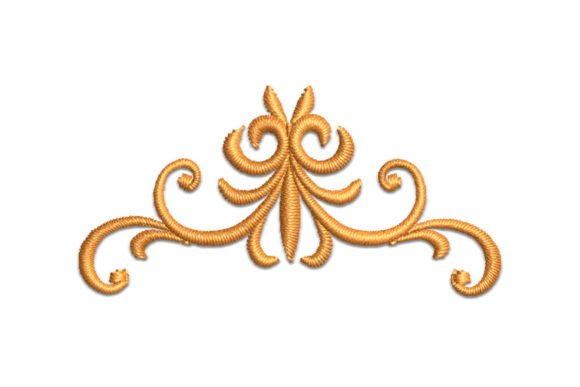
As an embroidery designer who’s stitched thousands of personalized gifts—from baby blankets for first-time parents to wedding towels for couples celebrating love across cultures—I was immediately drawn to the Thai Style House Roof on Creative Fabrica. It doesn’t shout for attention; it invites quiet appreciation. The first impression? A gentle, elegant silhouette—soft curves, balanced symmetry, and a sense of ancient craftsmanship translated into delicate stitchwork. This isn’t a bold, graphic motif. It’s poetic: sweet but not cutesy, classic but not stiff, romantic without being fussy. There’s warmth in its lines—like sunlight catching carved teak wood—and that emotional resonance is exactly what elevates a handmade product from “nice” to “meaningful.”
Where This Design Truly Shines: Real Gift-Making Moments
The Thai Style House Roof is quietly versatile—not in a flashy, trend-chasing way, but in the grounded, thoughtful way that serves real people making real things. For baby embroidery, it’s perfect on organic cotton swaddles or muslin nursery pillows: subtle enough for minimalist nurseries, rich enough to feel heirloom-quality. As a wedding gift, imagine it stitched onto linen hand towels or monogrammed pillow covers—evoking heritage, home, and shared roots. It fits beautifully on family keepsakes like embroidered blankets passed down through generations, or on custom tote bags gifted to guests at cultural celebrations.
Small shop owners and Etsy sellers will appreciate how effortlessly this design supports storytelling. A customer ordering a personalized gift for a Thai-American couple? The Thai Style House Roof becomes more than decoration—it becomes recognition, respect, and personal significance. On embroidered towels or aprons, it adds quiet sophistication. On holiday keepsakes or craft fair products, it stands out for its authenticity—not mass-produced, but rooted in Asia’s architectural poetry. Even for printable mockups, its clean gable shape photographs beautifully against neutral backdrops, helping your listings stand out in crowded digital marketplaces.
Practical Embroidery Notes You’ll Want Before Stitching
This is where experience matters. The Thai Style House Roof captures intricate carving details—so while it’s elegant, it’s not inherently “easy.” If you’re planning to use it on textured towels, thick blankets, or stretchy baby onesies, take care: fine lines and closely spaced elements may need testing. Delicate shapes can blur or pucker without proper stabilization. Always create a test stitch-out first—on fabric similar in weight and stretch to your final project. Check small details after stitching: do the carved motifs read clearly? Does the roofline hold crispness, or does thread density cause shadowing?
Thread color contrast is essential. On dark fabric, lighter threads (ecru, soft gold, ivory) enhance visibility and preserve the design’s gentle charm. On light linens or cottons, deeper tones like charcoal grey or warm brown add dimension without overwhelming. Choose your stabilizer thoughtfully: a medium-weight cutaway works well for dense areas, while tear-away suffices for stable, non-stretch fabrics like quilting cotton or twill. And remember—washability matters. If stitching for baby products or kitchen towels, confirm your thread and stabilizer choices hold up through gentle laundering.
Why It Builds Trust—and Turns Browsers Into Buyers
In handmade markets, perceived quality drives decisions faster than price. When customers see the Thai Style House Roof on your finished product—a pillow cover, a custom gift box, a nursery wall hanging—they don’t just see embroidery. They see intention. They see care in detail, reverence for craft, and respect for cultural nuance. That builds trust instantly. It tells them your handmade product isn’t rushed or generic. It tells them their gift carries meaning—even if they can’t name why.
For Etsy sellers and small business owners, this translates directly to engagement: better photos, longer dwell time, higher conversion. Pair the Thai Style House Roof with thoughtful product photography—natural light, soft folds, context (e.g., draped over a wooden chair or folded beside a ceramic mug)—and you’ve got visual storytelling that sells itself. Customers don’t just buy a towel; they buy a moment of calm, a nod to tradition, a piece of home.
Before You Stitch: A Quick Checklist
- Create a test stitch-out—especially on your target fabric and with your chosen thread palette.
- Check small details after stitching: do carved elements remain distinct, or do they blend together?
- Compare thread colors side-by-side on fabric—not just on screen—to ensure harmony and contrast.
- Confirm hoop size compatibility with your machine and project type (e.g., pillow cover vs. baby onesie).
- Review stitch density: high density may require stronger stabilizer or slower machine speed on delicate fabrics.
- Verify licensing terms on Creative Fabrica before using the Thai Style House Roof in commercial embroidery or physical products for resale.
The Thai Style House Roof is more than a machine embroidery design—it’s a quiet invitation to slow down, honor craft, and make something that feels deeply personal. Whether you’re designing baby embroidery for a new parent, curating wedding gifts with soul, or building a small shop full of meaningful handmade products, this Creative Fabrica embroidery file brings both beauty and purpose to your work. Its strength lies not in flashiness, but in fidelity—to tradition, to texture, to the quiet joy of making something that lasts.