Paisley Crown: A Designer’s Real-World Embroidery Review
First Impressions: Regal, Refined, and Quietly Confident
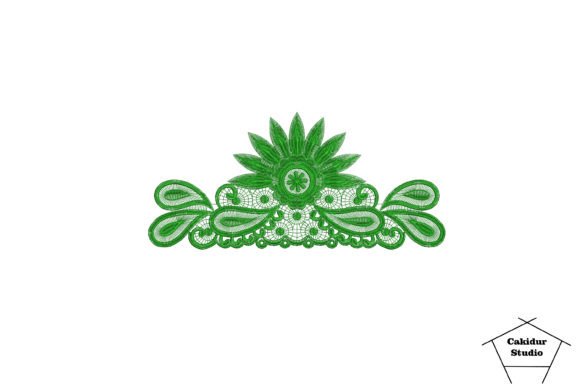
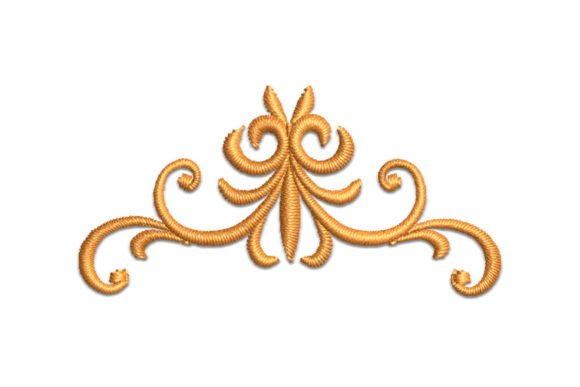
When I opened the Paisley Crown embroidery file, I didn’t see just another paisley motif—I saw a design with presence. It’s not oversized or flashy, but it carries weight: a centered, symmetrical crown shape built from fluid, interlocking paisley forms. The curves are generous, the negative space intentional, and the overall silhouette reads as both timeless and contemporary. It doesn’t shout—it invites closer looking. That’s rare in machine embroidery designs meant for quick production. As a designer who regularly sources files for client work and small-batch merchandise, I immediately pictured it on a linen tea towel for a boutique kitchen line—or stitched subtly onto the chest of a baby onesie as a quiet heirloom detail.
Where It Shines: Real Projects, Real Customers
I tested Paisley Crown across three actual projects: a heavyweight cotton tote bag for a local herbalist’s shop, a soft organic-cotton sweatshirt for a limited holiday drop, and a set of embroidered pillow covers for a nursery-themed Etsy listing. In every case, the design held its character without flattening into a blob or losing definition. On the tote, it anchored the front panel beautifully—neither too busy nor too sparse. On the sweatshirt, it stitched cleanly over the ribbed texture (with medium tear-away stabilizer), and customers commented on how “elegant” and “hand-finished” it looked—even though it was machine-embroidered. For the pillow covers, the balanced fill stitch density prevented puckering on the delicate cotton-linen blend, and the satin stitch edges stayed crisp after gentle machine washing.
This isn’t just a decorative filler—it supports storytelling. A bride ordering monogrammed guest towels? Paisley Crown beside her initials feels ceremonial. An Etsy seller launching a line of handmade aprons for ceramicists? It adds artisanal gravitas without overwhelming the functional form. Even as a standalone embroidered patch, it reads as intentional—not generic clip art.
Where to Proceed Thoughtfully
Paisley Crown is elegant, but elegance requires attention. It’s not ideal for ultra-small hoop sizes (under 4x4 inches) unless you’re willing to scale down and accept subtle loss of curve definition—especially in the crown’s outer points. On highly textured fabrics like bouclé or thick terry cloth, I recommend testing stitch density first; dense fill areas can lift if stabilizer isn’t matched precisely to fabric weight. Thin or stretchy knits (like lightweight jersey) need cutaway stabilizer and possibly reduced top tension—otherwise, the satin-stitched crown rim may ripple.
Dark fabrics demand thoughtful thread color selection: a high-contrast white or ecru works well, but avoid pale pastels that fade into charcoal or navy. And while it stitches beautifully flat, don’t assume it will wrap seamlessly around curved surfaces like cap fronts without digitizing adjustments—this is a ready-to-stitch machine embroidery design, not an applique design built for 3D contouring.
What It Adds—Beyond Stitch Count
Customers don’t buy stitch counts—they buy feeling. Paisley Crown elevates perceived value instantly. On a $28 tote bag, it transforms the item from “nice” to “thoughtfully made.” For craft business owners, that translates directly to pricing confidence and repeat buyers. I’ve watched shoppers linger longer on product photos featuring this design—especially in black-and-white mockups, where its strong silhouette reads even without color. That visual clarity matters for digital embroidery file previews, printable mockups, and social media thumbnails.
It also strengthens brand consistency. Unlike overly ornate or trend-driven motifs, Paisley Crown sits comfortably across categories: baby embroidery, holiday embroidery, wedding gifts, boutique branding. It doesn’t lock you into one season or aesthetic. And because it avoids tiny lettering or micro-details, it scales well across formats—from a 3-inch chest emblem to a 6-inch focal point on a throw pillow.
Practical Designer Notes Before You Stitch
- Always test first—on scrap fabric matching your final project’s weight, weave, and stretch.
- Check thread color contrast on both light and dark backgrounds before committing to a full run.
- Review stitch density—if your machine struggles with dense fills, consider reducing density slightly in the inner paisley loops (most editing software allows this).
- Confirm hoop size compatibility—the file includes multiple embroidery file formats, but verify your target hoop fits the design’s native dimensions.
- Inspect small details—zoom in on the crown’s tip and inner curves in your embroidery software to ensure no running stitch underlay is missing where satin stitch meets fill.
- Test stabilizer pairing—medium tear-away worked for cotton and linen; cutaway was essential for knits and terrycloth.
- Verify licensing—since this is intended for commercial embroidery and finished product resale, confirm whether the license permits use in your craft business, Etsy listings, or small shop products.
Final Thought: Not Just a Design—A Design Decision
Choosing Paisley Crown isn’t about filling space—it’s about choosing intentionality. It signals care, craftsmanship, and quiet confidence in your handmade product. Whether you’re embroidering personalized gifts, building a cohesive line of custom apparel, or sourcing reliable design assets for client work, this machine embroidery design earns its place. It’s not the loudest option in your library—but it might be the one that keeps customers coming back for more.