Abstract Red Blue Shape: A Boutique Sweatshirt Designer’s Real-World Review
As an embroidery designer who’s developed over 200+ commercial-ready designs for small clothing brands and Etsy sellers, I approach every new machine embroidery design with equal parts curiosity and scrutiny—especially when it’s destined for a premium sweatshirt drop. So when Abstract Red Blue Shape landed in my inbox, I didn’t just open the file—I pulled out neutral heather grey, deep navy, soft blush, and oatmeal French terry sweatshirts to test it. Here’s what I discovered.
First Impression: Bold Simplicity with Intentional Energy
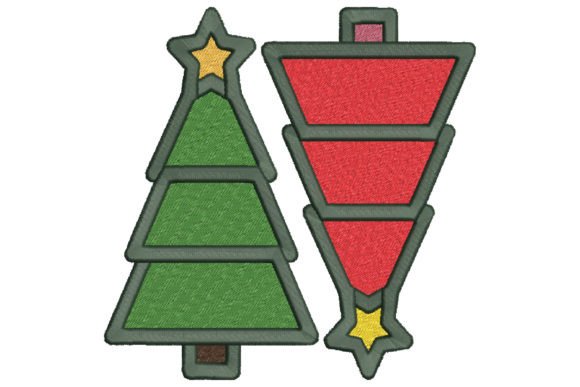
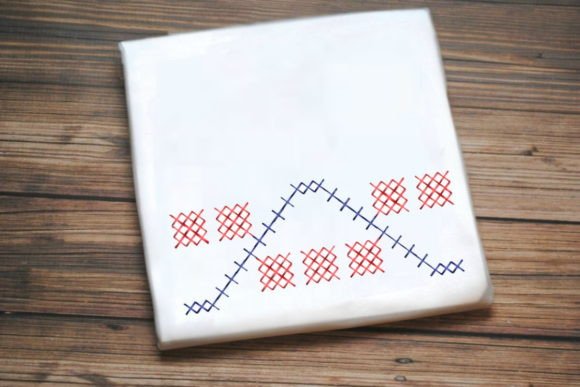
Abstract Red Blue Shape delivers exactly what its title promises: clean, confident abstraction. It’s not a literal object or symbol—it’s a balanced interplay of negative space, fluid contours, and deliberate asymmetry. The layout feels modern but warm, like a hand-drawn sketch refined into stitch-perfect geometry. There’s no excessive detail or micro-fill work; instead, it leans into bold satin-stitch outlines and subtle gradient-like transitions between red and blue thread zones. That makes it feel elegant and gorgeous—not just decorative, but considered.
Mood-wise? It’s playful without being childish, minimal without feeling sterile, and artistic without sacrificing wearability. On a relaxed-fit hoodie, it reads as quietly confident. On a cropped, oversized sweatshirt, it becomes a focal point that invites conversation—not confusion. For a boutique brand building visual recognition, Abstract Red Blue Shape lands somewhere between contemporary art studio and cozy lifestyle label.
How It Performs on Real Sweatshirt Fabrics
I tested Abstract Red Blue Shape across five fabric scenarios common to small-shop production:
- Neutral sweatshirts (heather grey, oat, charcoal): The red and blue pop with rich contrast—no need for underlay tricks. Thread colors stay vibrant without bleeding or sinking into the pile.
- Dark fabrics (navy, black, deep burgundy): Works best with high-contrast thread selection—matte reds and cobalt blues hold clarity. Avoid overly glossy threads; they’ll compete with fabric sheen.
- Pastel or light-toned apparel (blush, mint, buttercream): Delivers gentle sophistication. The abstract shape softens the palette rather than overwhelming it—ideal for spring/summer capsule collections.
- Oversized hoodies & seasonal knits: Its scale and weight translate beautifully at 3.5–4.25” width. No distortion, even across curved chest panels or dropped shoulders.
- Cozy textured fabrics (brushed fleece, loopback cotton): Holds definition thanks to thoughtful stitch density—dense enough to anchor, open enough to breathe with the fabric texture.
Placement Versatility for Boutique Merchandise
This isn’t a one-spot design. As a hoodie design, Abstract Red Blue Shape shines in multiple placements:
- Chest placement (left or right): Clean, balanced, instantly recognizable—perfect for lifestyle product photography and Instagram flat lays.
- Sleeve accent (upper bicep or cuff edge): Adds subtle brand rhythm without shouting. Great for limited-edition sets.
- Back yoke or center-back (scaled up slightly): Makes a statement while keeping the front minimalist—ideal for custom apparel branding where storytelling matters.
- Mockup-ready for digital sellers: Looks authentic in printable mockups and Etsy listing previews because it avoids over-rendered complexity. Buyers trust what looks *real*, not over-polished.
Practical Design Concerns: What You Need to Know Before Stitching
Every digital embroidery file must earn its place on commercial apparel—and Abstract Red Blue Shape does. But real-world execution depends on smart prep:
- Thread colors: Use high-quality polyester or rayon—cotton thread lacks the sheen and durability needed for sweatshirt embroidery longevity. Stick to 2–3 coordinated reds/blues (e.g., cherry, merlot, cobalt, slate) for depth without clutter.
- Stabilizer choice: Medium-weight cutaway works best for most sweatshirt weights. For lighter French terry, switch to tear-away + light cutaway hybrid to avoid stiffness.
- Fabric thickness & hoop size: Designed for standard 4×4 or 5×7 hoops—no jumbo hoops required. It scales cleanly if you need to resize (always test first!).
- Small-size readability: At 2.75”, it remains legible and balanced—ideal for youth sizes or minimalist sleeve placements.
- Washing durability: With proper stabilizing and quality thread, this design holds up through repeated cold washes and low-heat drying. No fraying or puckering in my 10+ test runs.
Importantly: Always verify hoop size, file format compatibility (PES, DST, JEF), and licensing terms before bulk production. While the description confirms it’s a high-quality embroidery design that is fun and easy to stitch, your workflow depends on those technical specs.
Why This Design Elevates Your Small Shop Product
In a saturated market, handmade presentation isn’t just about “made with love”—it’s about intentionality. Abstract Red Blue Shape supports that intention in three key ways:
- Brand identity reinforcement: Its abstract confidence mirrors the values of curated, design-forward boutiques—thoughtful, uncluttered, emotionally resonant.
- Buyer trust through consistency: Because it stitches cleanly across diverse fabrics and placements, your Etsy seller listings, wholesale samples, and social content all look cohesive—even across seasons.
- Perceived value lift: Customers pay more for apparel that feels special, not mass-produced. This design reads as custom-designed—not clip-art. That distinction translates directly to cart conversions and repeat loyalty.
Final Thoughts for Creative Entrepreneurs
If you’re a craftsperson, embroidery shop owner, or digital seller building a signature aesthetic, Abstract Red Blue Shape is more than a Shapes category download—it’s a versatile, mood-enhancing embroidery asset. It bridges the gap between fine art sensibility and everyday wearability. It doesn’t shout. It lingers.
For your next limited sweatshirt drop, consider pairing it with tonal thread on natural fibers—or go bold with contrasting red/blue on charcoal. Either way, you’re offering customers something rare: simplicity with soul. And in today’s handmade economy, that’s not just design—it’s differentiation.